

Assess true gambling beliefs for elite casino success
Understanding the Psychology of Gambling Beliefs
The pursuit of elite casino success is heavily influenced by an individual’s underlying beliefs about gambling. Many players hold misconceptions, often termed “gambler’s fallacies,” that can lead to irrational decision-making and significant financial losses. These false beliefs might include the idea that past outcomes influence future independent events, such as believing a slot machine is “due” for a win after a series of losses. Recognizing and challenging these cognitive biases is a fundamental step towards developing a more realistic and potentially successful approach to casino games, and understanding the nuances of casino rolletto can be part of this exploration.
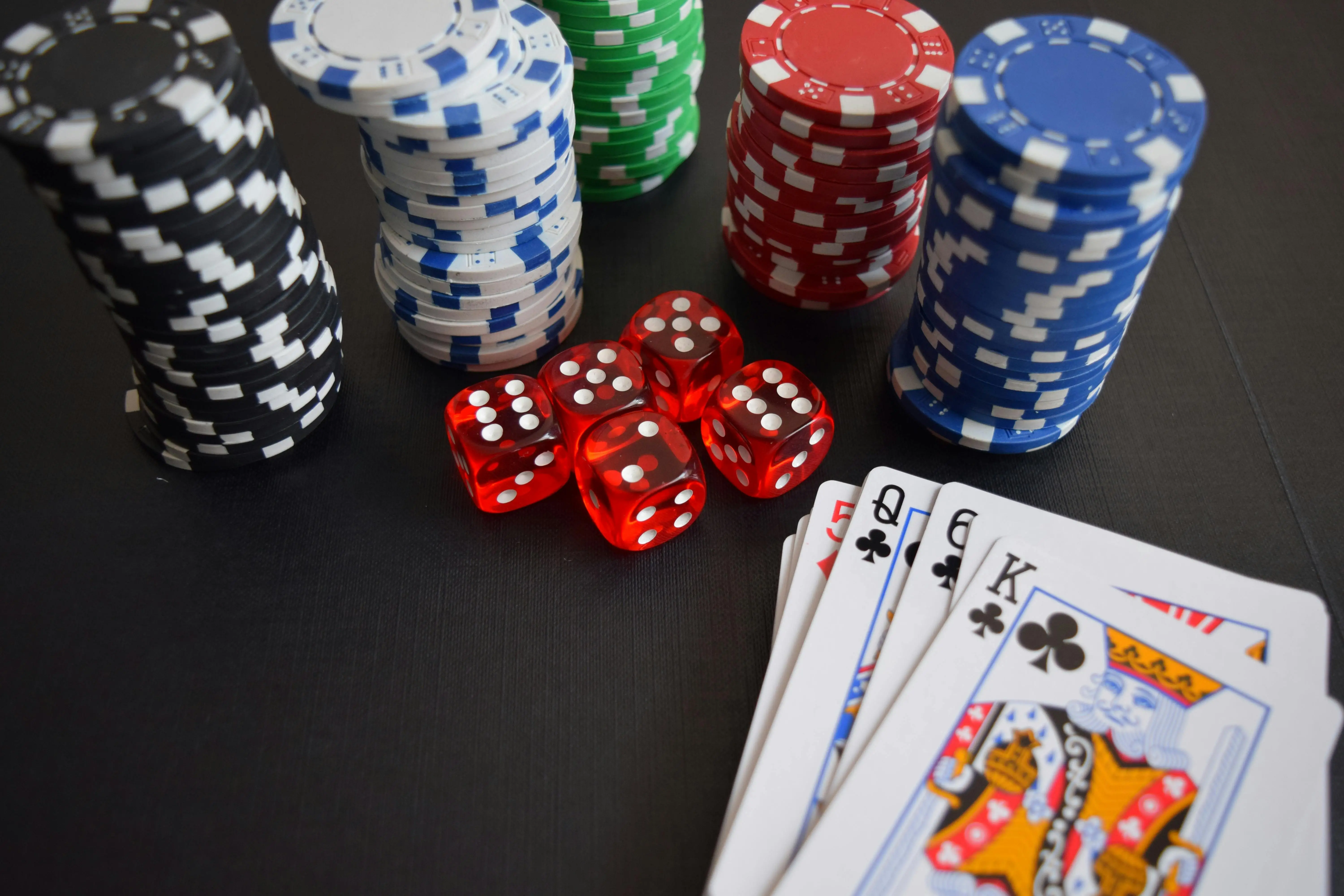
A core psychological aspect is the difference between a belief in luck and a belief in skill or strategy. While games of chance are predominantly governed by randomness, understanding probability, house edge, and game mechanics can still inform betting patterns. Elite players often cultivate a belief in their ability to manage risk and make informed choices within the constraints of the game, rather than relying on superstitious notions or deterministic thinking that simply doesn’t align with how casino games function.
Debunking Common Gambling Myths
Numerous myths pervade the gambling world, often perpetuated by anecdotal evidence or wishful thinking. One prevalent myth is that “hot streaks” or “cold streaks” for a player or a particular game are predictable or controllable. In reality, each spin of a roulette wheel or hand of blackjack is an independent event, unaffected by previous results. Believing otherwise can lead players to increase their stakes during perceived “lucky” periods or chase losses during “unlucky” ones, both of which are detrimental strategies.
Another common misconception is that casino games are rigged against players in an overt sense, beyond the inherent house advantage. While casinos are businesses designed to profit, legitimate establishments operate under strict regulations that ensure fairness in their games. Understanding the mathematical edge that the casino holds is crucial. Instead of believing in a conspiracy, players should focus their efforts on finding games with a lower house edge and employing sound bankroll management techniques to extend their playing time and opportunities for favorable outcomes.
The Role of Strategy and Skill in Games of Chance
While many casino games are primarily games of chance, a degree of strategy and skill can indeed influence the outcome or at least mitigate losses. Games like blackjack or poker involve player decisions that directly impact the probabilities of winning. For instance, mastering basic blackjack strategy can significantly reduce the house edge compared to a player who plays purely on intuition. This involves understanding when to hit, stand, double down, or split based on the dealer’s upcard and the player’s hand.
Even in games like roulette, where pure luck dominates, strategic betting patterns can be employed, although they do not alter the fundamental probabilities. Players might choose to bet on certain numbers or combinations, or employ betting systems like the Martingale (though this is highly risky and not recommended for long-term success). The true “skill” in these scenarios often lies in disciplined execution of a chosen strategy and knowing when to walk away, rather than believing in superstitions or flawed logical progressions.
Cultivating a Realistic Mindset for Players
Developing a realistic mindset is paramount for anyone seeking consistent enjoyment or potential success at the casino. This involves accepting the inherent randomness of games of chance and understanding that losses are an inevitable part of the gambling experience. Instead of chasing losses or becoming overly emotional, players should adopt a detached, analytical approach, focusing on playing within their means and enjoying the entertainment value. This disciplined outlook is a hallmark of players who manage their gambling effectively.
Furthermore, a realistic mindset includes setting clear goals and limits. This means deciding on a budget for each gambling session and sticking to it, regardless of wins or losses. It also involves recognizing when a session is over, whether due to reaching a predetermined win goal or a loss limit. This self-control and adherence to pre-set boundaries are far more effective than any supposed “system” or belief in inherent luck, and are practices often observed by those who approach gambling with a level head.

Rollett O’Carroll Solicitors and Legal Considerations in Gambling
While Rollett O’Carroll Solicitors may not directly offer advice on gambling strategies or superstitions, their expertise in legal matters can be highly relevant to the broader gambling landscape. For instance, individuals involved in disputes related to gambling winnings, licensing issues, or regulatory compliance might find their services invaluable. Understanding the legal framework surrounding gambling operations, whether for operators or patrons, is crucial for ensuring fair play and resolving potential conflicts.
The firm’s professional approach to legal challenges mirrors the discipline required for responsible gambling. Just as a player needs to assess true beliefs and avoid fallacies to improve their chances, businesses and individuals navigating the complexities of gambling law must rely on accurate legal counsel and a clear understanding of regulations. Rollett O’Carroll Solicitors can provide the structured guidance and factual assessment necessary to address legal intricacies in the gambling sector, ensuring adherence to the law and protection of rights.